Not yet complete – more images and text to be added.
A railway to connect two canals
The Cromford Canal, giving access to the Trent, was built by William Jessop and opened in 1792. The Peak Forest Canal from Manchester to Bugsworth and Whaley Bridge, engineered by Benjamin Outram, was opened in 1800. There was a proposal for a canal joining the two canals along the line of the C&HPR which was abandoned because of the lack of water at the highest level. Each boat passing up or down the locks removes a lockful of water from the summit level, and there is no source of water on the limestone plateau. A feasible route was surveyed by John Rennie. The route was up the Derwent Valley to Hope, then to the head of Edale and a tunnel nearly three miles long to Chapel Milton, roughly along the line of the Cowburn Tunnel on the Hope Valley Line. The estimated cost, in 1810, was the enormous sum of £650,000. Needless to say, it was not built. In 1824 Josias Jessop was appointed to prepare a survey of a railway line from Whaley Bridge to Cromford. His estimated cost was a more reasonable £150,000, but his estimates of the potential revenue seem with hindsight to have been wildly optimistic.
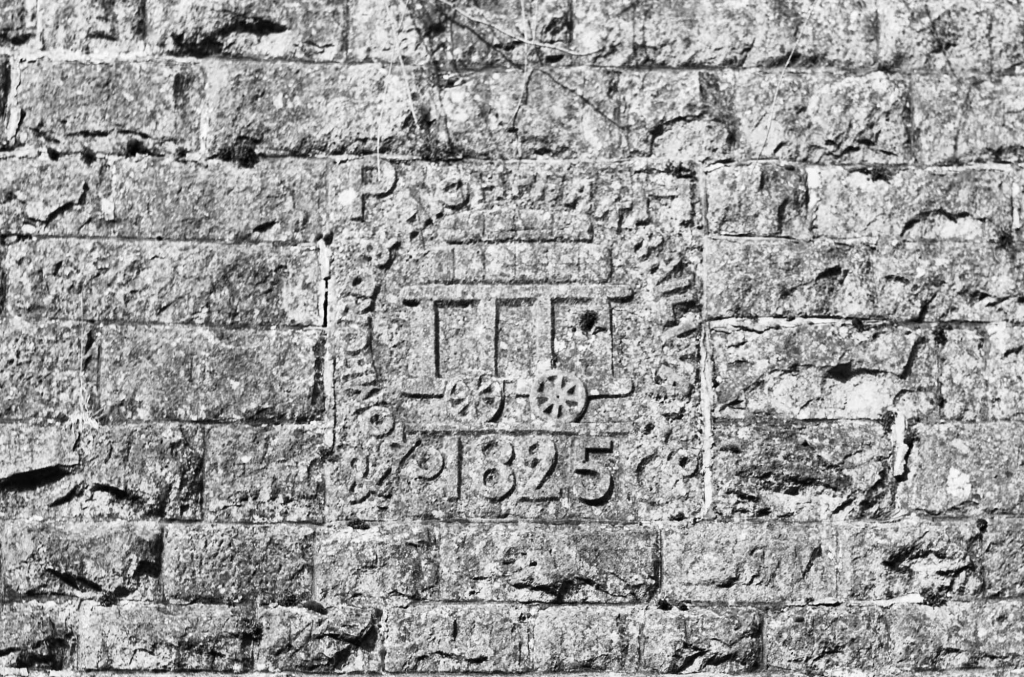
This is very early for a railway – the Stockton and Darlington opened in 1825, and the Liverpool & Manchester in 1830. It was initially believed that the friction between iron wheels and iron rails was too low for locomotives to do more than haul wagons along a level railroad. The earliest railways were therefore designed like canals, with flat sections joined together by inclines up which the wagons were hauled by a stationary steam engine and a rope or chain. It was in fact correct that the early locomotives could not haul wagons up an incline, but the reason was low power-to-weight ratio, not lack of friction. The very rapid development of steam locomotives soon removed this limitation. The incline out of Whaley Bridge, and the two steep inclines down to Cromford Wharf, continued using rope haulage until the line closed in 1967.
The Midland Railway’s line from Ashbourne to Buxton was opened in 1892, joining the C&HPR at Parsley Hay and partially or totally replacing the C&HPR north of Parsley Hay. The two railway lines are now popular trails through the Peak District from south of Dowlow quarry to Cromford and Ashbourne. North of Dowlow the original line can be followed in part. I will concentrate on this section, as books about the C&HPR tend to concentrate on what the line was like when working, not on what now remains. I will say a bit about interesting features along the High Peak Trail.
A 1:25,000 OS map is very useful for working out the original course of the railway, as most of the boundary walls are still in place, except in Brierlow and Hindlow Quarries and Dowlow Works, which are inaccessible anyway.
Whaley Bridge
The original terminus of the Peak Forest Canal was Bugsworth Basin, where limestone from the Dove Holes quarries was converted to lime and loaded into barges. The arm to Whaley Bridge terminates in a small basin with a transhipment shed for transferring goods to the C&HPR. Most of the first couple of kilometers from the basin has been restored as a linear park, up the Whaley Bridge and Shallcross inclines.
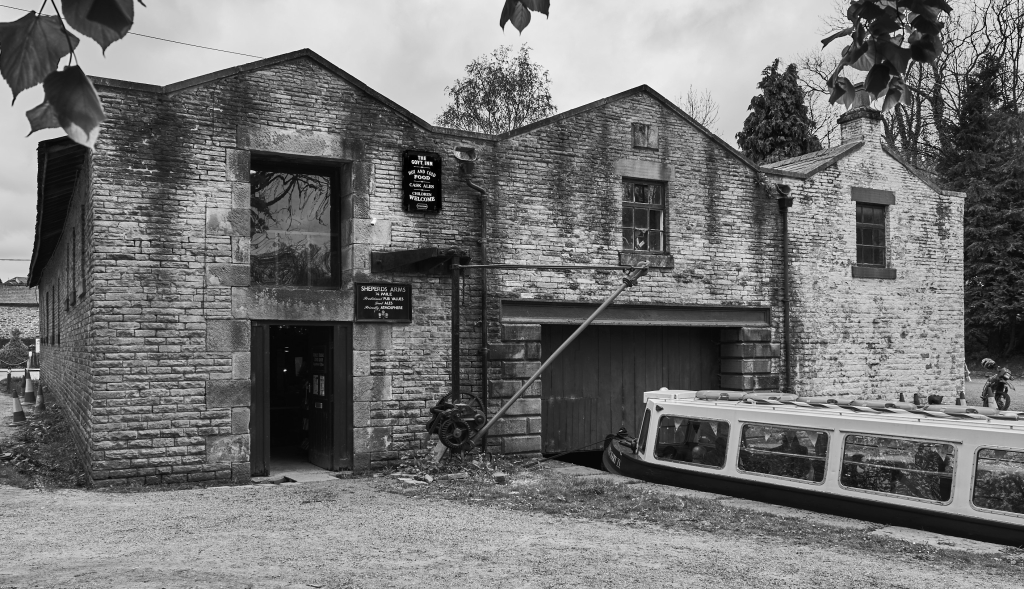
From the transhipment shed it is a a short walk to the bridge over the River Goyt and the foot of the Whaley Bridge incline.


Looking up the Whaley Bridge Incline, which closed in 1952. The track turns to the right at the top where it levels out, and the site of the horse-worked capstan is obvious at the bend. The track then crosses Old Road.
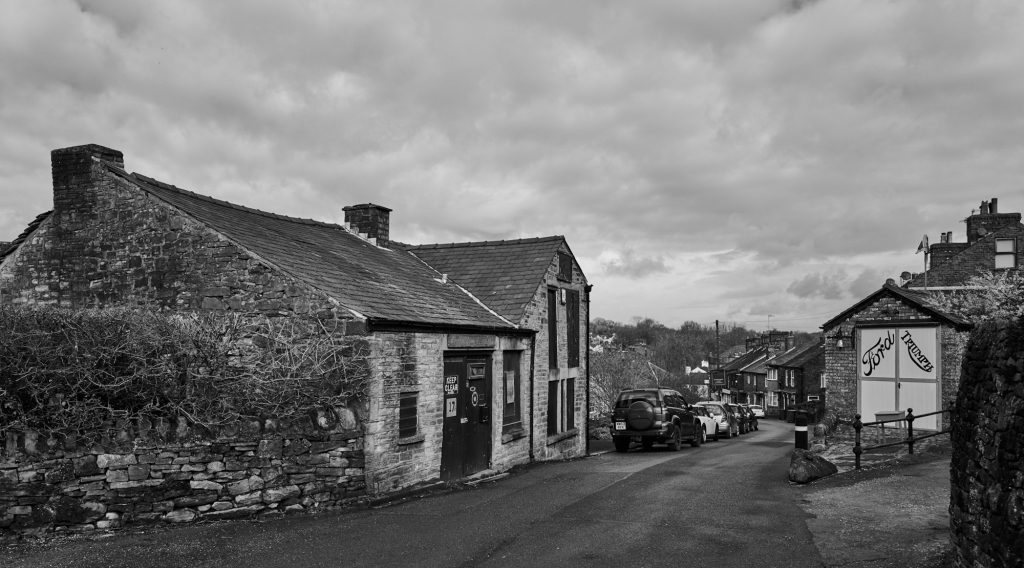
The railway line to Buxton crossed the C&HPR beyond Old Road. The bridge was very low, so that wagons for the basin had to be worked by horse from the Shallcross Yard on the west of the Buxton line. This is now blocked, so the route detours down to the A6, under the railway bridge, then back to the trackbed after the Cock Inn.
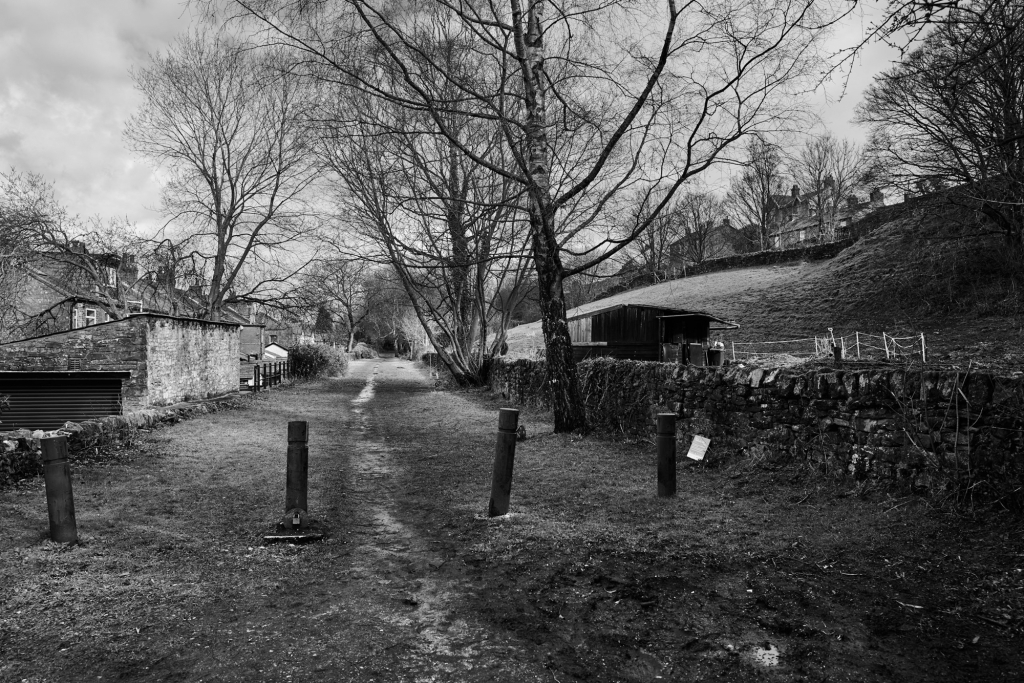
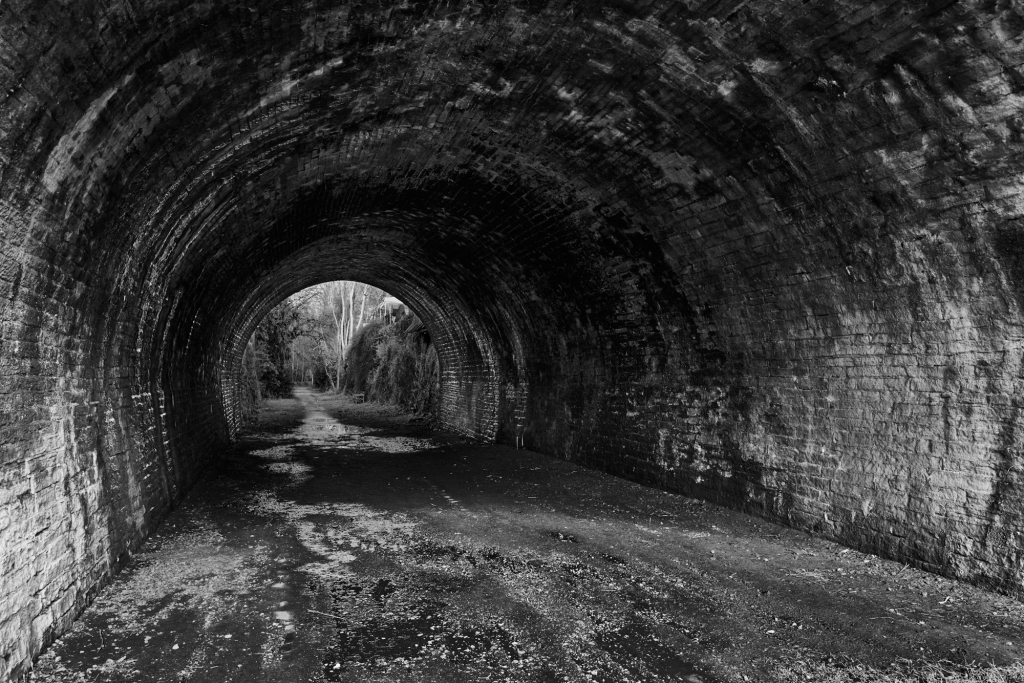
It is then a pleasant walk through the tunnel under the Chapel-Whaley Bridge road to the foot of the Shallcross Incline off Shallcross Mill Road. The incline can be walked almost the the summit – the final section is covered by housing, and a slight detour leads to Shallcross Road.

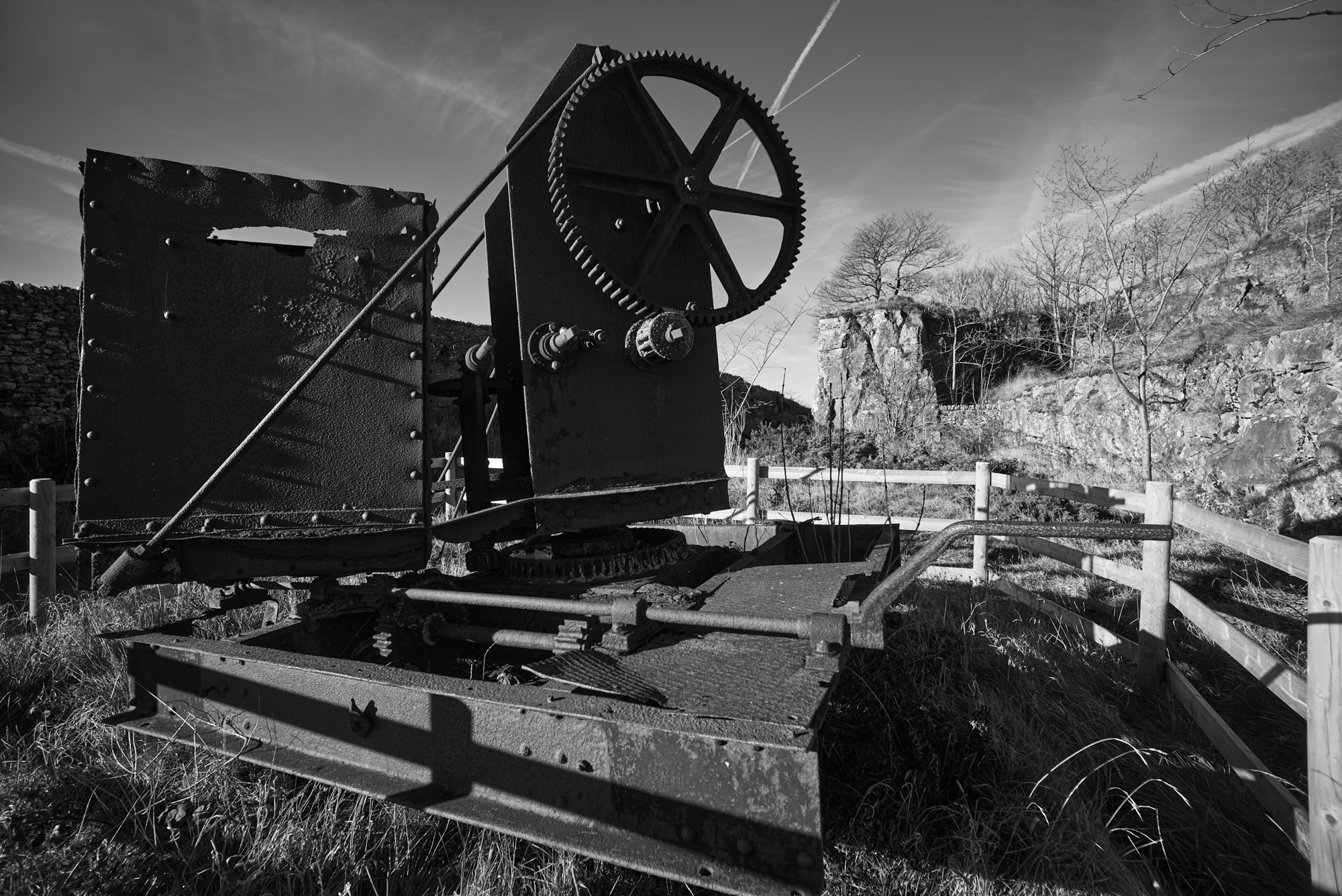
The trackbed from here to the Fernilee Reservoir dam is on private land. A short distance up the road, at the junction of Elnor Lane and Old Road, the remains of Shallcross can be seen in a small enclosure.
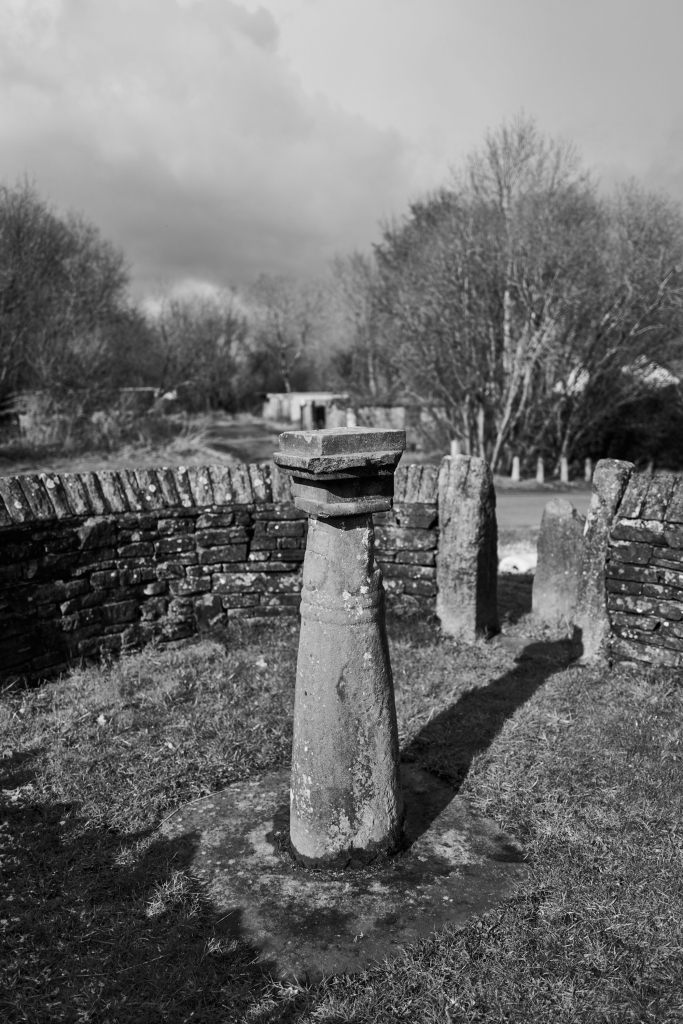
To get to the trackbed by the Fernilee Reservoir dam, go along Elnor Lane with the trackbed clearly visible on the right. It is crossed several times by public footpaths. Elnor Lane joins the Buxton to Whaley Bridge turnpike, and a few hundred meters further on a private road descends to car parks at the dam. The trackbed comes in from the right at the bottom of the hill, and looks as if it could be walked from the public footpath at SK 0172 7855.
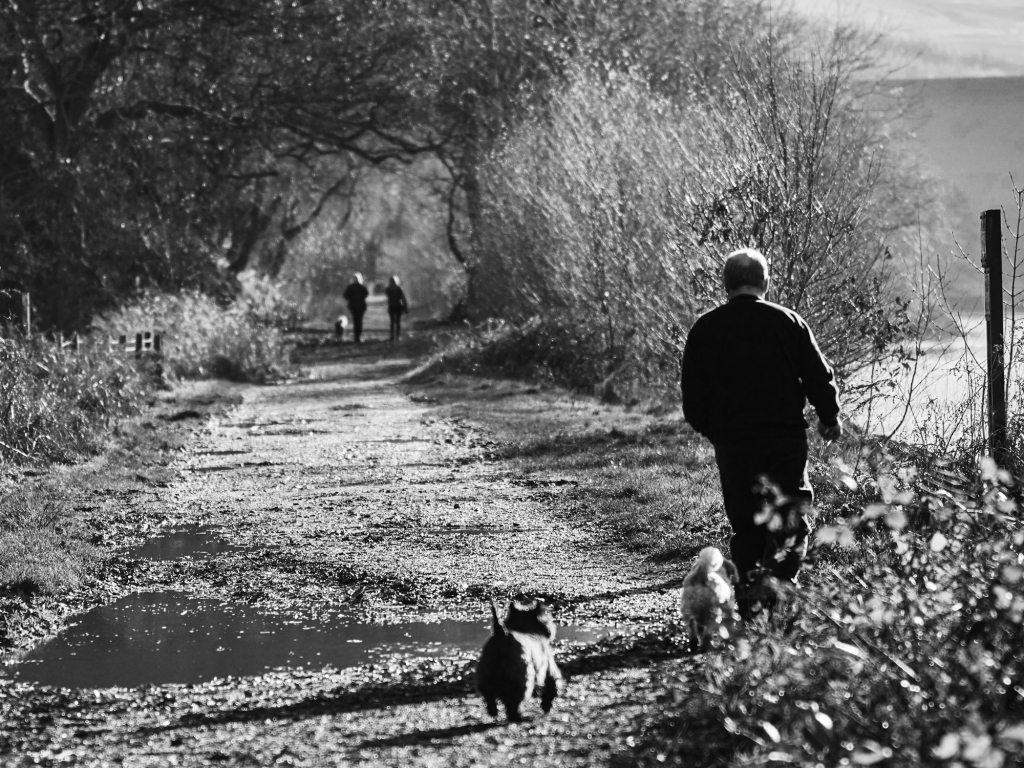
Shallcross Incline to Burbage
The track continues to the end of Fernilee Reservoir at the foot of the Burnsal incline, which is now a paved road. It continues past the reservoir at the top of the incline, continuing round to the Burbage Tunnel, which is sealed.
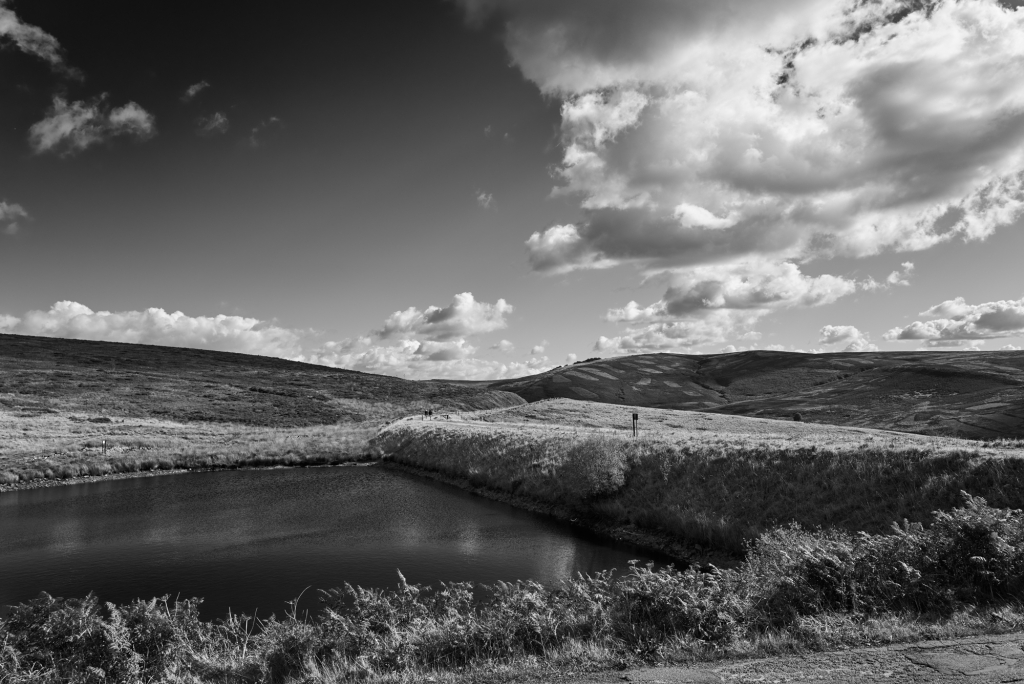

There are two routes to the other end of the tunnel. A public footpath to Bishop’s Lane and Burbage crosses the track just before the tunnel. At Plex Lodge, follow the lane to Plex Farm and then the public footpath across the fields to Macclesfield Old Road, a couple of hundred meters below the trackbed. It is possible to continue past Plex Farm to the railway at Edgemoor Farm, and walk along the track to Macclesfield Old Road. This is not a public footpath, but a formal proposal has been made to add it to the Definitive Map. An alternative, with more interesting views, is to go up the steep and boggy footpath to the right of the tunnel mouth, and follow the wall along the top of Burbage Edge. At SK 0306 7271 the public footpath from the Goyt Valley to Burbage is joined at a stile, and followed down to Macclesfield Old road just above the trackbed.
Burbage to Ladmanlow
The tunnel under the old turnpike is buried on the north side, but accessible on the south side from a public footpath which starts a bit higher up Macclesfield Old Road.
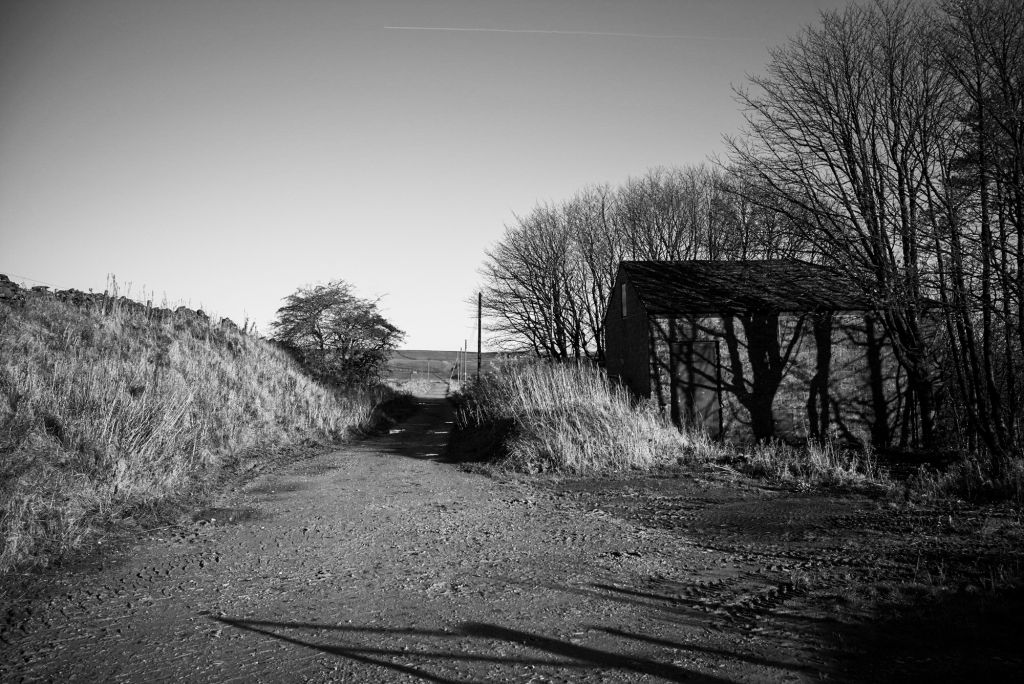
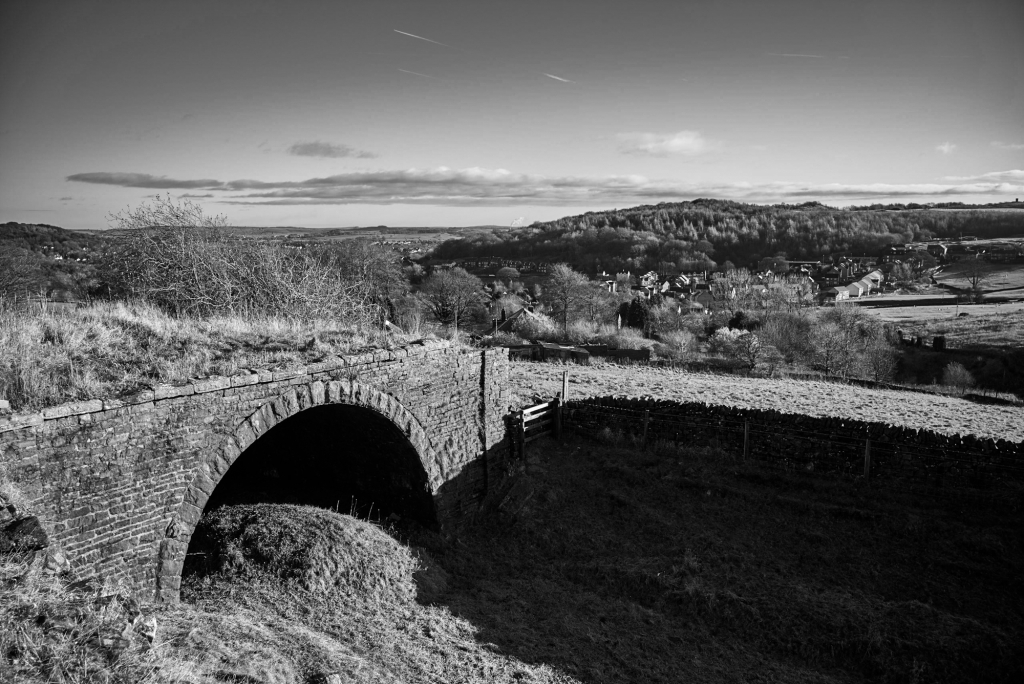
The trackbed can be seen curving across a huge embankment towards the site of the bridge across the current Macclesfield Road, beyond which is Bridgehouse Farm and the former Ladmanlow Yard. A level shelf can be seen running from the embankment beneath the Macclesfield Road, starting at about SK 0362 7225. This was a siding for the Buxton Coal Mine. This area is riddled with small coal mines.

None of this is accessible. The railway crossed the Leek road at Ladmanlow, SK 0415 7185. The triangular area to the north of the road was the Ladmanlow Yard, and the straight track to the north east, which can be seen on the map, served lime kilns. The quarry is now a caravan park. After the Midland Railway line was opened, the C&HPR track from Hindlow to Ladmanlow was retained to serve the lime kilns.
Ladmanlow to Dowlow
To the south, the track across Stanley Moor is a surfaced road, but this is private and you could well be stopped by security guards from Harpur Hill, which is an industrial estate, and the current home of the Health and Safety Executive Laboratories. There is a public footpath starting opposite the entrance to the caravan park and Buxton Country Park which joins the trackbed at SK 0478 7033. From here, the trackbed is a public footpath on an embankment and through a cutting to SK 0607 7086. Another embankment, partly followed by a footpath, makes a big curve to the south, and there are remains of many other tracks into quarries and works. The trackbed can actually be followed, partly on public footpaths, all the way to the junction with Buxton line (which nows serves the quarries) at SK 0764 6998. Everything we have seen so far was built by the C&HPR. From here to the beginning of the High Peak Trail at SK 1105 6731 is active railway, and was built by the Midland Railway. The public footpath continues to Brierlow Bar, with an excellent bookshop and coffee bar, at SK 16900 81281.
The quietest route to the beginning of the next section is to follow the B5053 up the hill to the turning to Earl Sterndale, go through Earl Sterndale and turn left to Wheeldon Trees where you take a lane up left towards Hurdlow Grange. Over the brow of the hill is the bridle way leading north to the trackbed.
Dowlow to Parsley Hay
This section, to the junction just south of Parsley Hay, was rebuilt by the Midland Railway as part of their Buxton to Ashbourne line. There are two places were the original line can be seen. The first is the Hurdlow Incline.

The deviation to avoid the incline was opened in 1869. All the original track is on private land, but the course is quite clear on the map and can be seen from the lane between Wheeldon Trees and Sparklow. The track crosses the lane at SK 1146 6683. There is a large embankment south of the lane with a sharp curve to pass behind Hurdlow Grange. The incline crosses the fields to the east of Cronkston Low – the boundary walls can be seen from the lane. Further south, by Cotesfield Farm, the deviation cuts out two very sharp curves. The original route is on private land, but the boundary walls are obvious.
Parsley Hay to Middleton Top
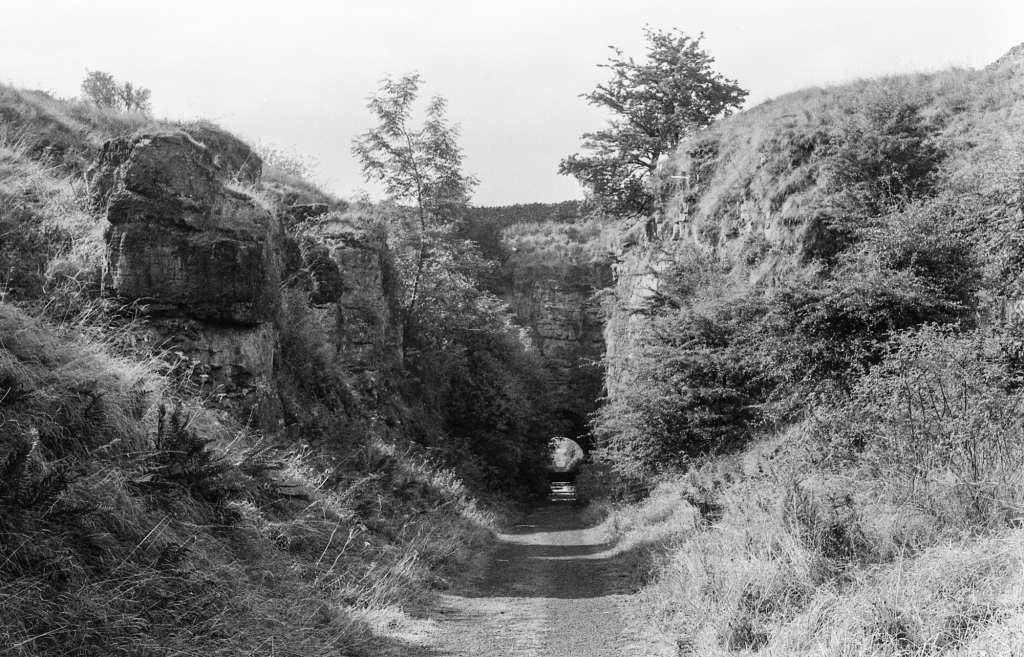
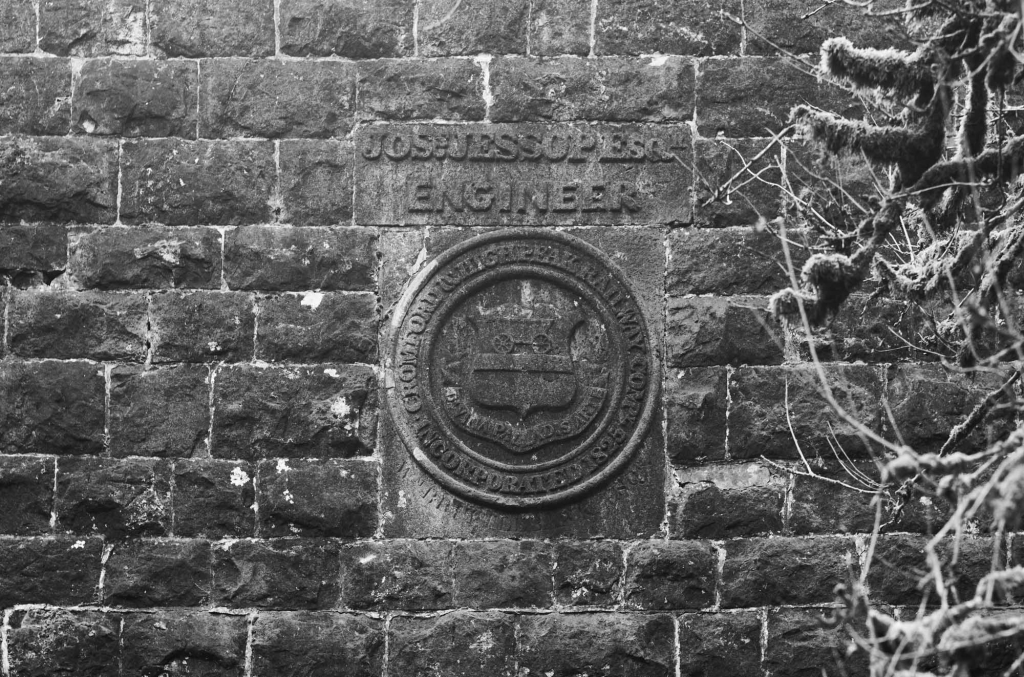
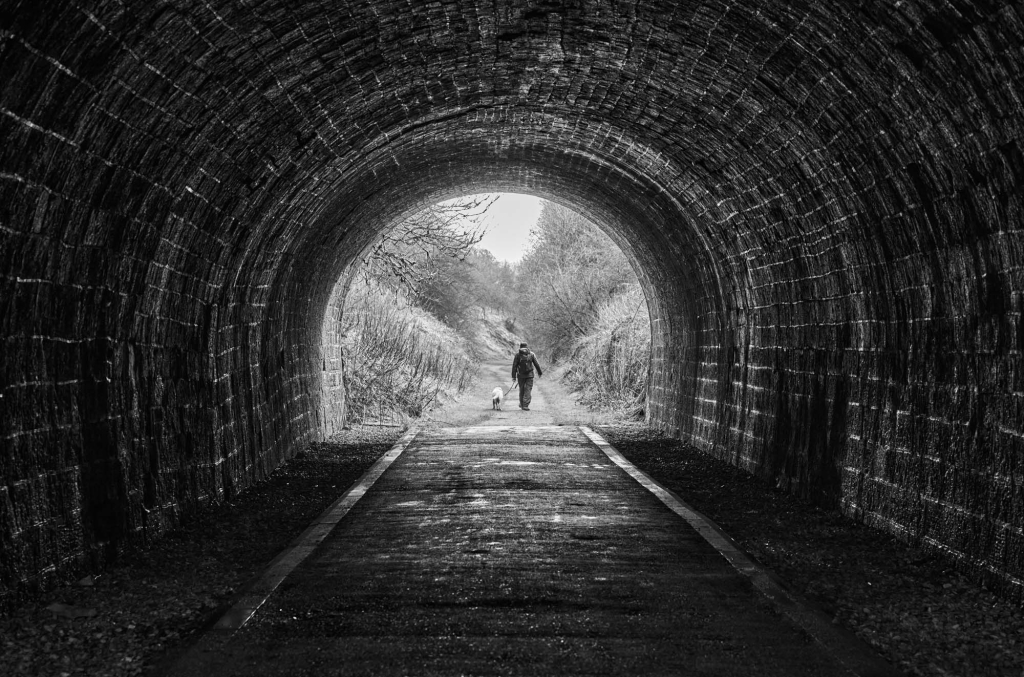
Parsley Hay has a large car park and a cycle hire centre in the old station yard. Just south of the station was the junction between the new Midland Railway line and the C&HPR, and from there to Cromford Wharf we are following the original C&HPR route.


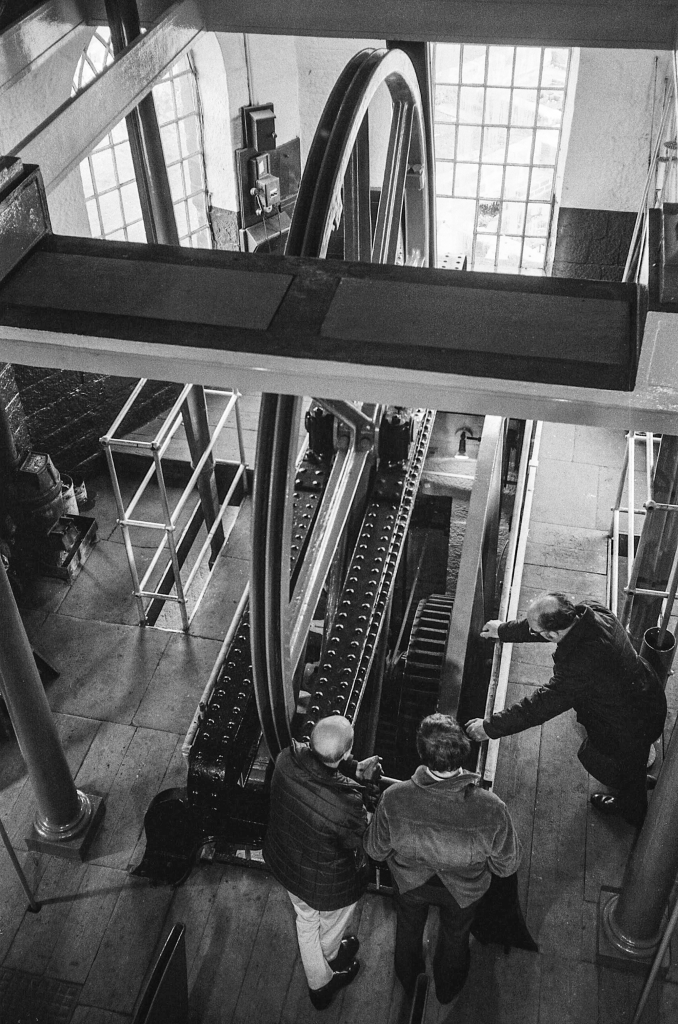
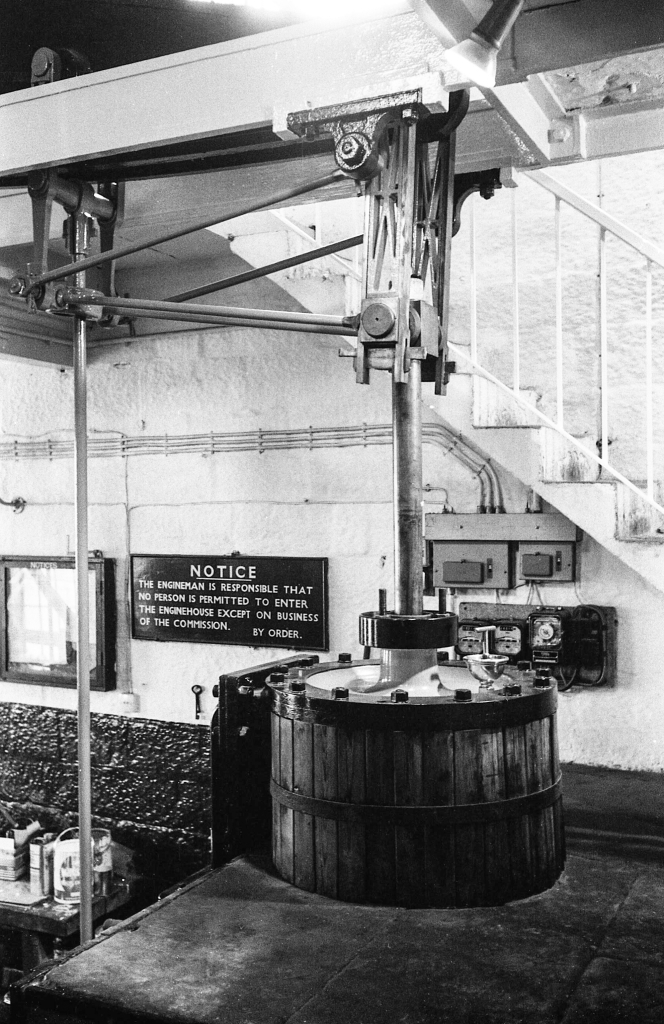
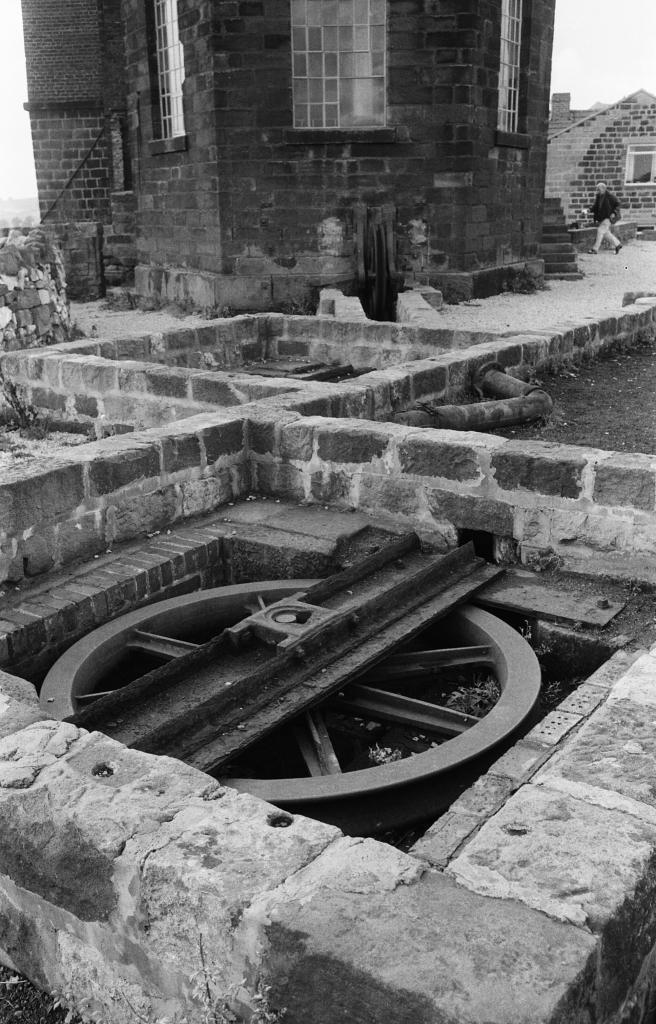
Middleton Top to Cromford Wharf
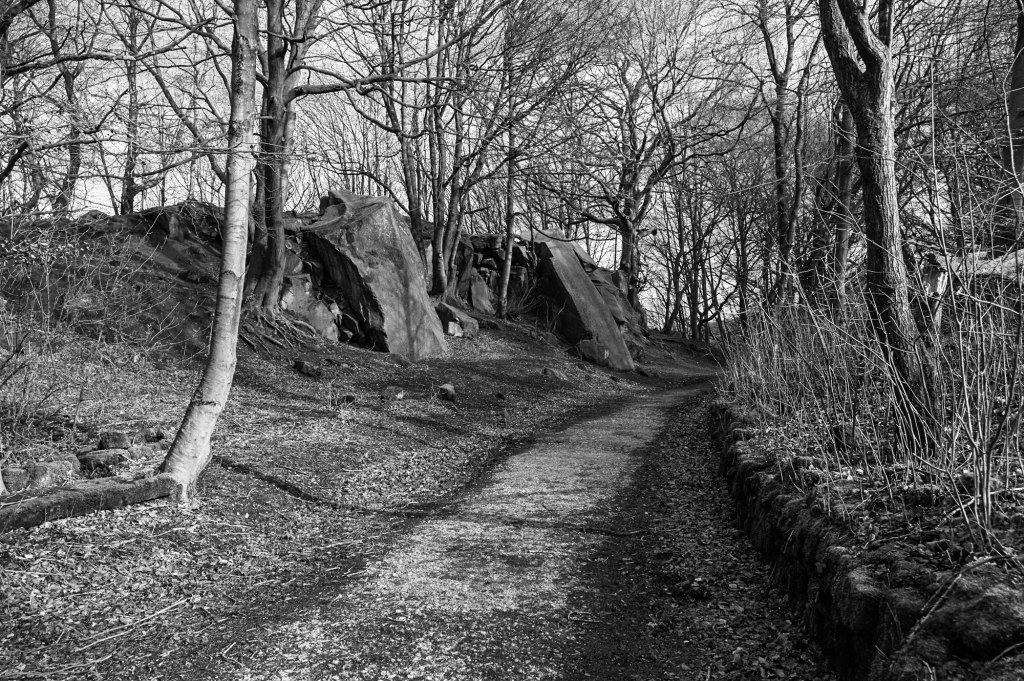
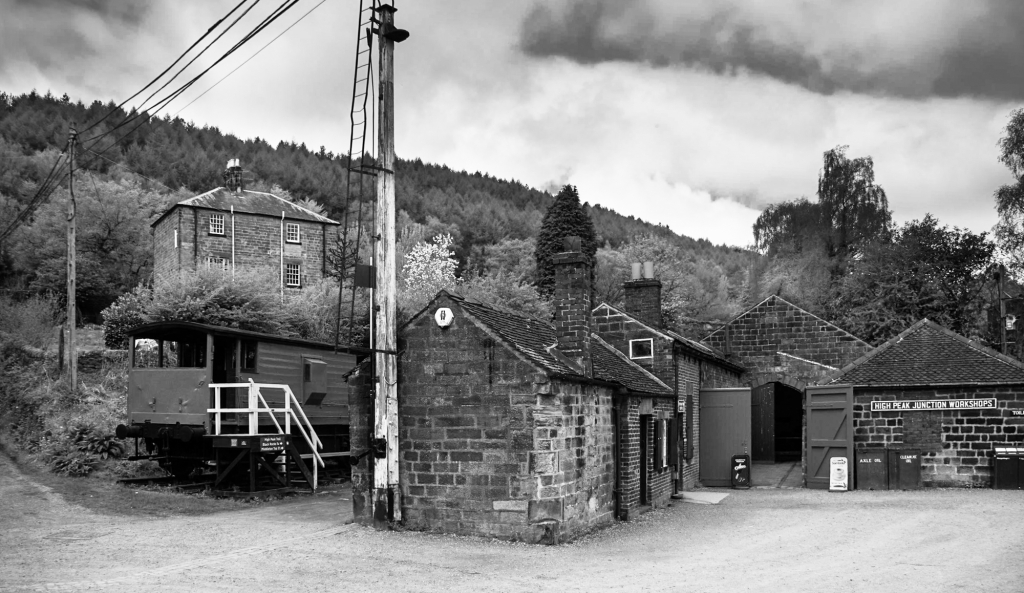
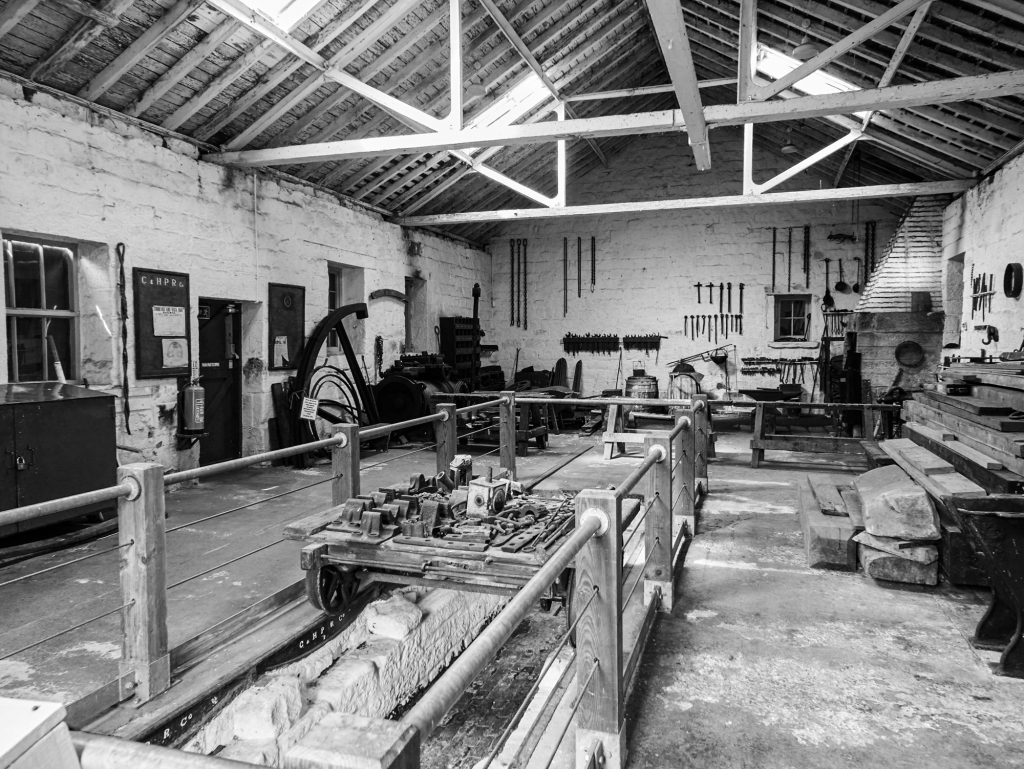
The yard at High Peak Junction on the Cromford Canal
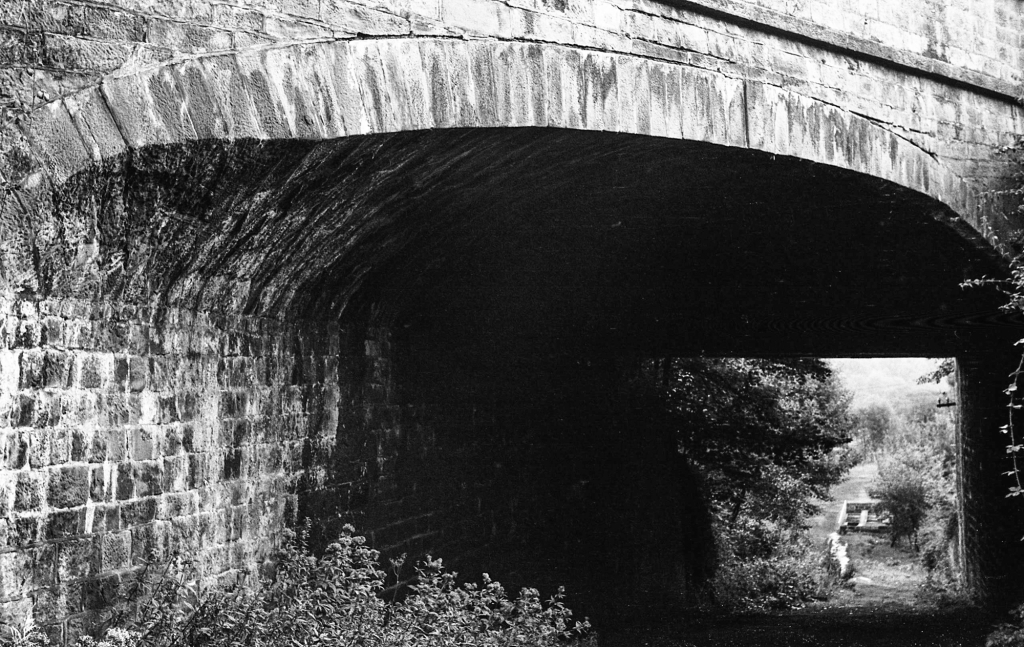
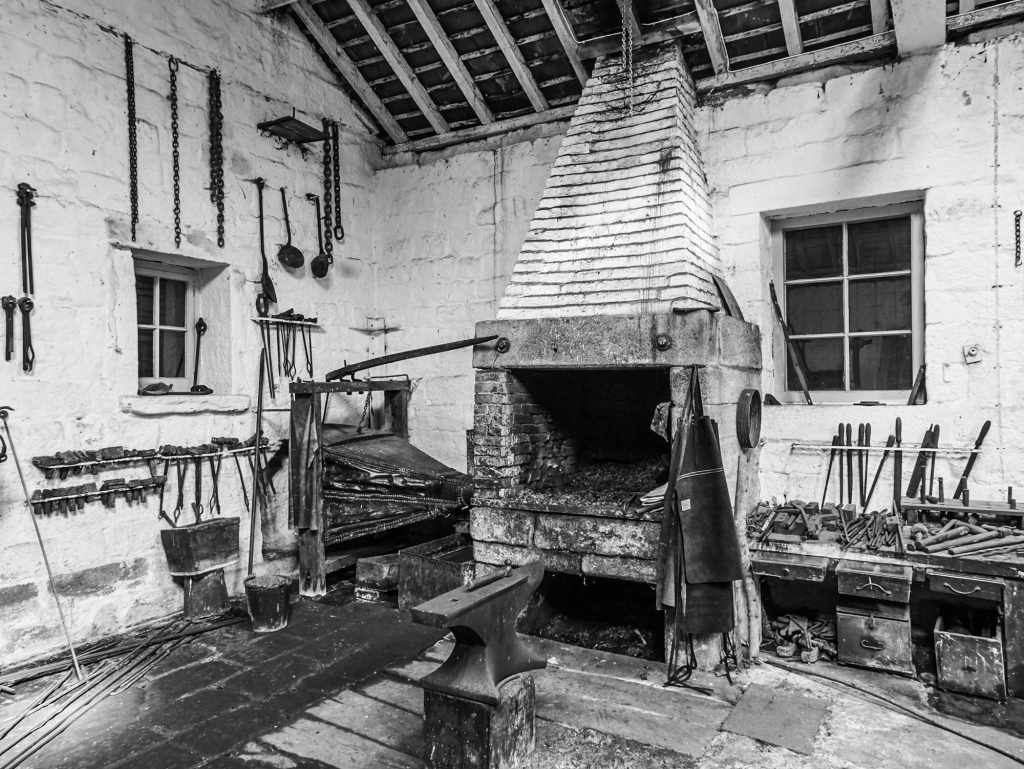

The Connection the Main Line
Image Gallery
Click on any thumbnail to load higher resolution image.




Further reading
A Rimmer. The Cromford & High Peak Railway. The Oakwood Press 1985. ISBN 0 85361 319 2
John Marshall. The Cromford & High Peak Railway. Martin Bairstow 1996. ISBN 1 871944 14 7
A F Roberts and J T Leach. The Coal Mines of Buxton. Scarthin Books 2008. ISBN 978 0 90775 810 5
Colin E Mountford. Rope & Chain Haulage. Industrial Railway Society 2013. ISBN 1 901566 84 1