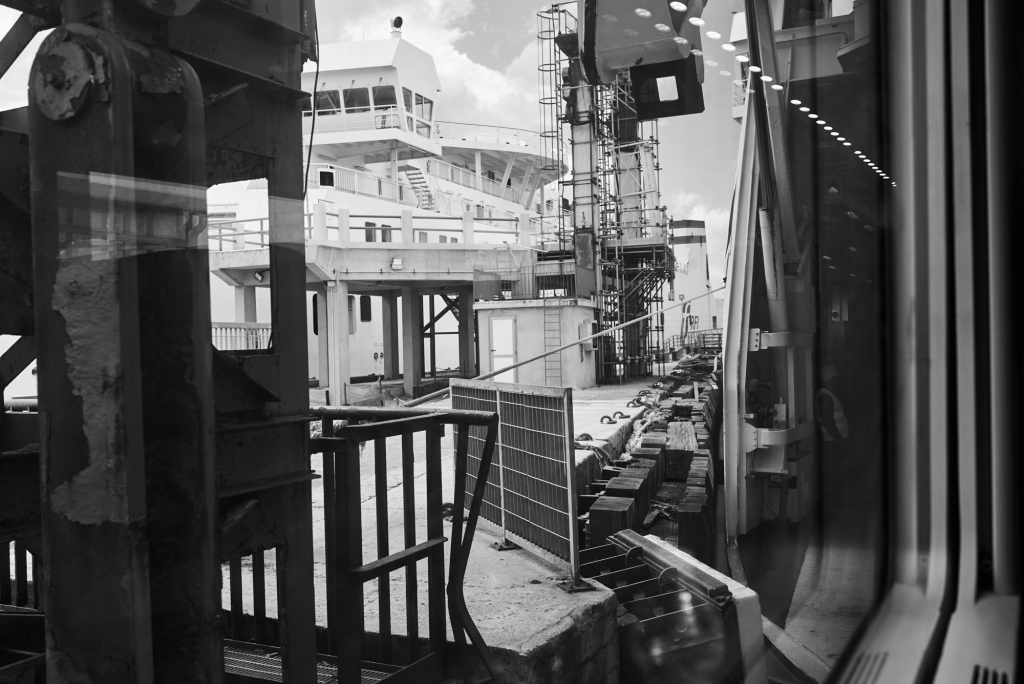
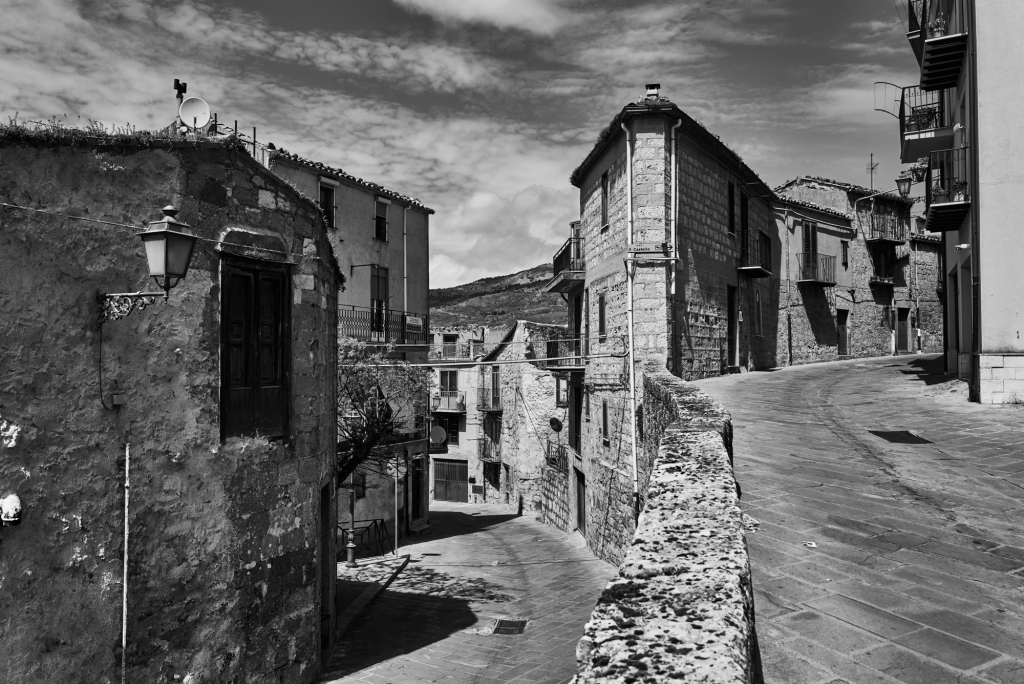
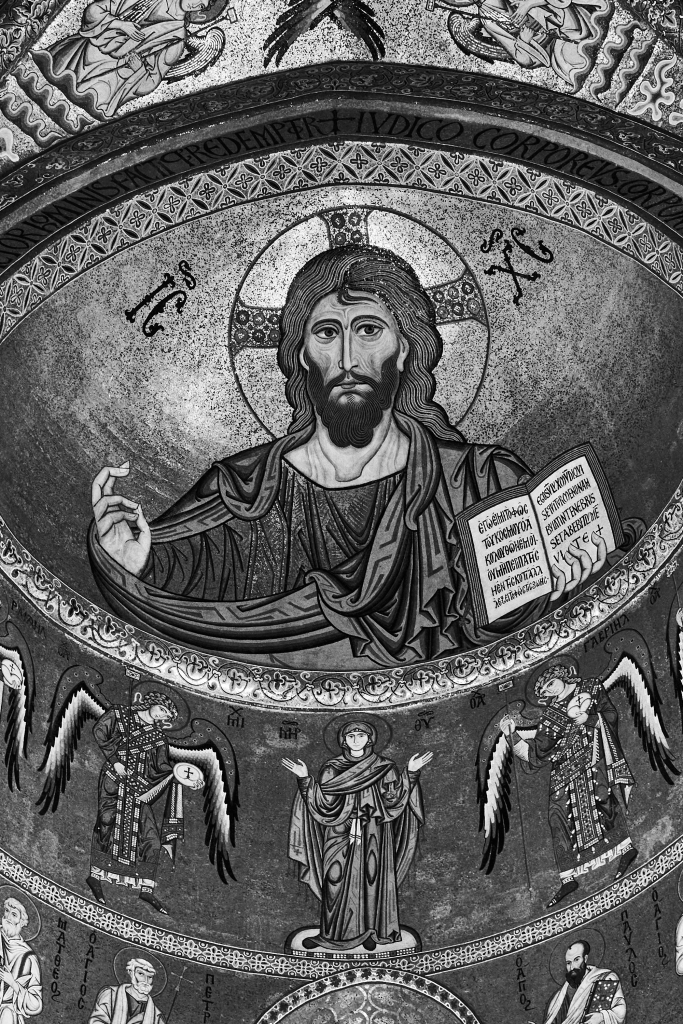
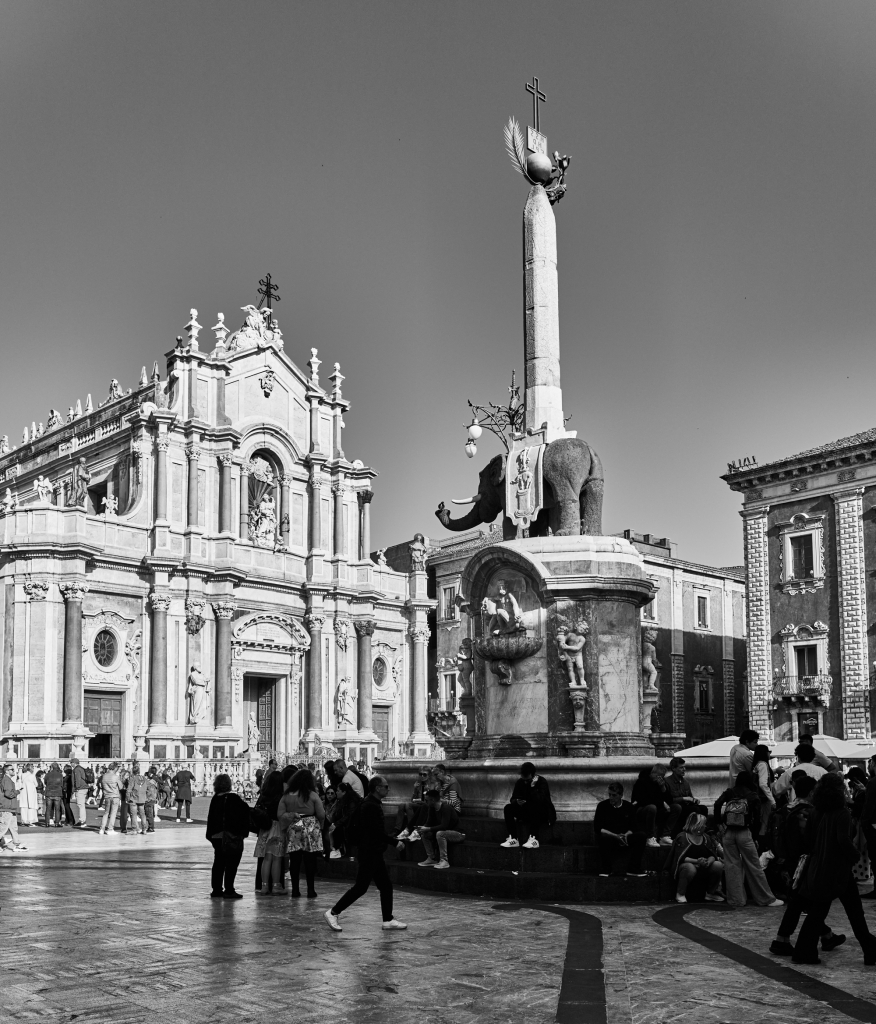
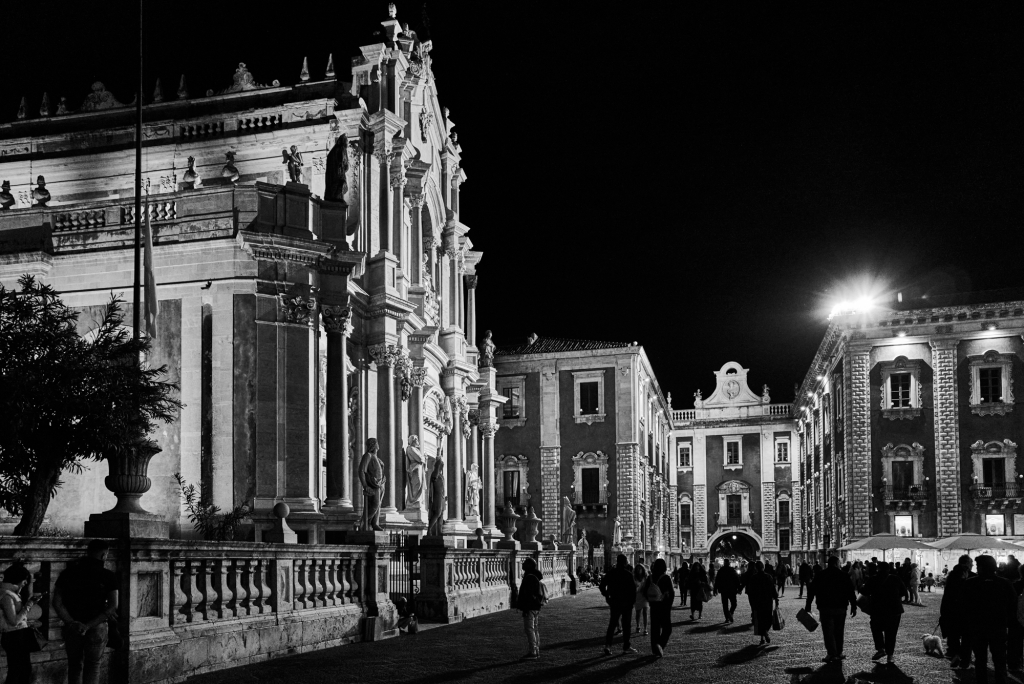
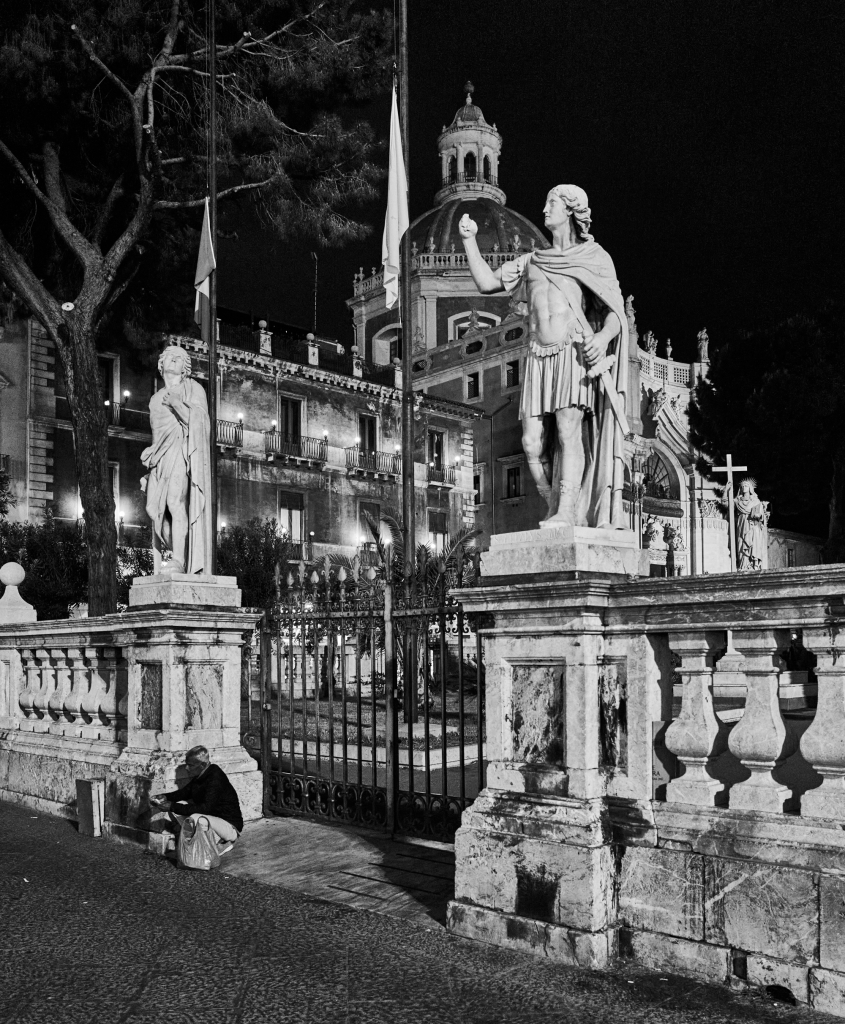
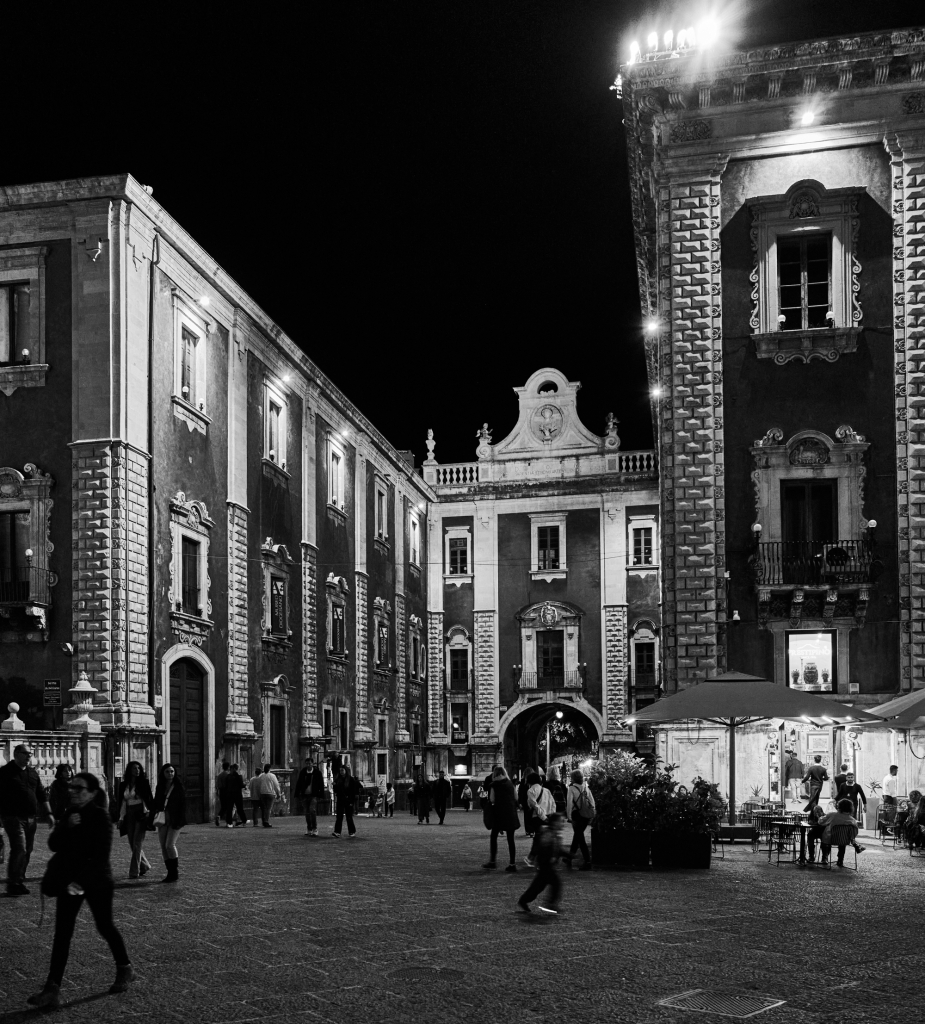
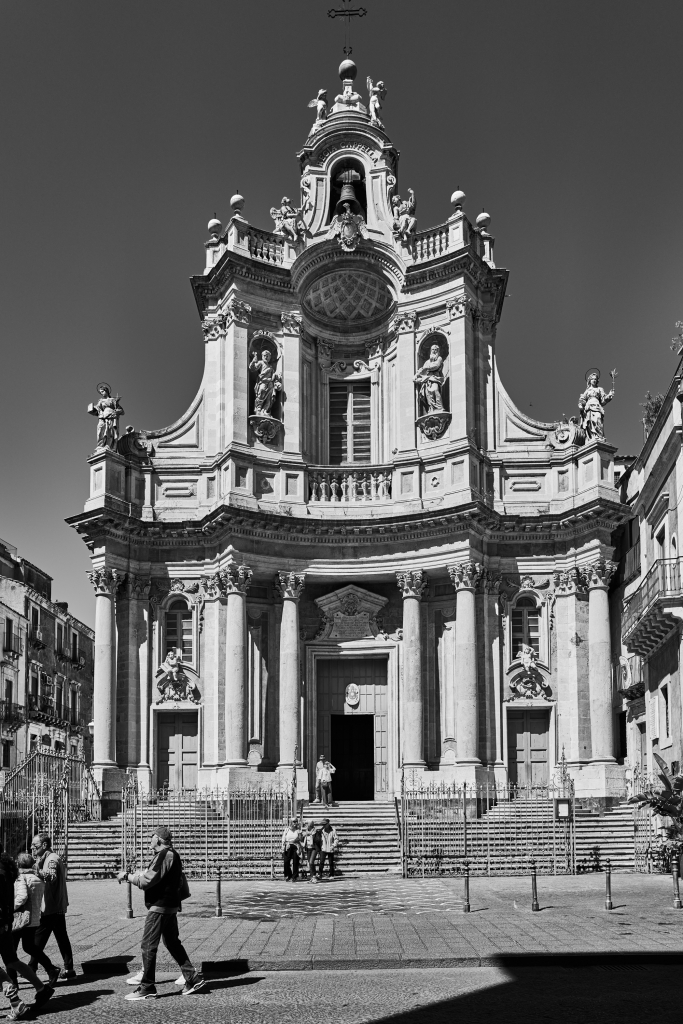
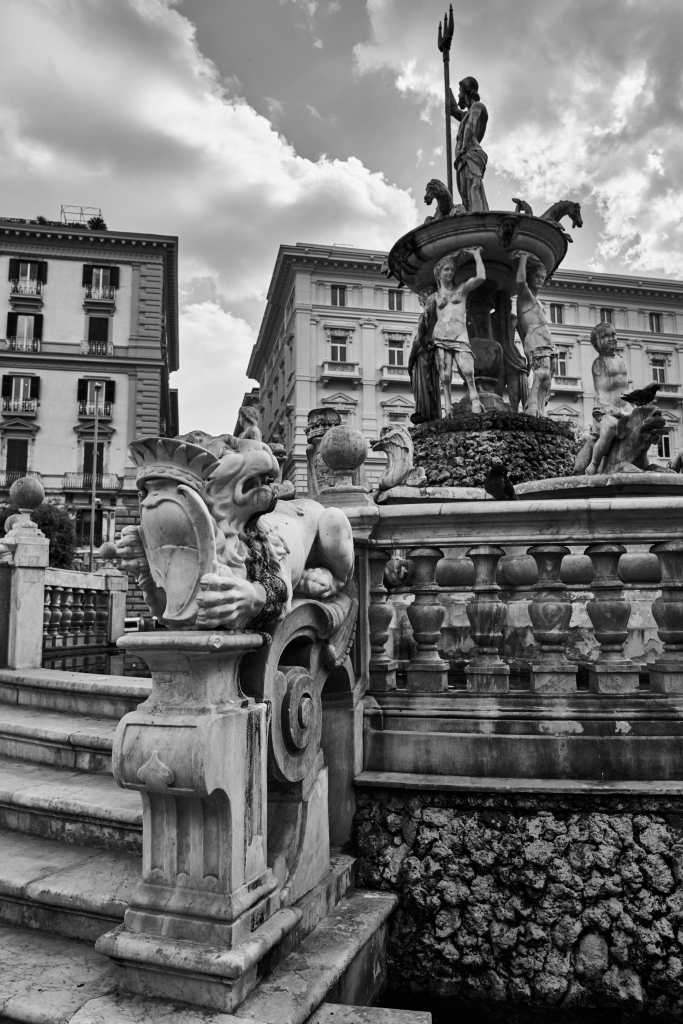
Sicily is a long way from the Peak District, and we spent our time getting there and back. Sicily is larger than Wales, with an extensive railway system, connected to mainland Italy by the last train ferry in Europe – so this time, instead of driving, we took the train. We were diverted via Doncaster to King’s Cross, as the Midland Mainline was closed for engineering works, then the usual Eurostar to the Gare du Nord, 91 bus to the Gare de Lyon, and Citizen M. TGV the next morning to Marseille and the first Toyoko Inn in Europe – very disorientating, as it was just like being in Japan. Two nights in Marseille – a very interesting city. The journey to Genova was much less interesting than we expected – built up or tunnels, not much view of the sea, and three trains – TGV to Nice, local train to Ventimiglia and Intercity train to the grand station in Genova. Only one night in Genova, so need to return to explore more. Intercity train to Milano with enough time to buy a picnic in the station’s wonderful food market, then the Frecciarossa to Napoli via Firenze and Roma. Saw nothing of Bologna because the line was entirely in tunnels. We should do the same in Manchester to avoid the Oxford Road station bottleneck – but we are talking about the north of England, not the south-east, so spending money on infrastructure is not possible. The next day, we took an Intercity train at 09:50 (which had come from Roma) to Palermo. We had seats facing each other on the seaward side of the train, which had identical halves – driving car trailer, 3 coaches, and an engine in each half, one of which went to Palermo and the other to Siracusa. At Villa San Giovanni, the ferry port, the train split in two and moved very slowly onto the train ferry. Interesting journey along the north coast from Messina to Palermo, very close to the sea. Several days enjoying Palermo and wandering around with a hire car before getting the train from Palermo via Messina to Catania, which has a long history. It was almost completely destroyed by the Etna eruption in 1693, along with much of south-east Sicily. Catania, and seven other towns, all with wonderful Baroque architecture from the rebuilding, form the Late Baroque Towns of the Val di Noto World Heritage Site. After a couple of days in Catania, we took the train back to Messina, and the next day back across the train ferry to Scalea San Domenico Talao – a boring seaside resort with an interesting old part. Intercity train to Salerno the next day, then the Regional train which partly follows the coast to Naples, as recommended by Nicky Gardner and Susanne Kries in Europe by Rail: The Definitive Guide. The start, overlooking Salerno harbour, looked promising, but the rest was definitely not exciting. Arrived at Piazza Garibaldi in Napoli. Two very interesting and hectic days in Napoli, trying our best to avoid the myriads of tourists (we of course are travellers, not tourists), then the 07:45 Frecciarosso to Milano Centrale. Only 20 minutes to change trains, and we arrived in Milano 5 minutes late. The train to Zurich was also late, but being Swiss, was determined to leave on time. Result was chaos as everyone was getting on and off at the same time, and it was a very long train. Swiss trains are very civilised – expensive lunch on the train as the travelled through the Alps to Zurich for our last overnight stop. The next day, the TGV Lyria to Paris with another expensive lunch on the train, RER to Gare de Nord as we were short of time, Eurostar etc home.